Just How Aluminum Foundry Innovations Are Changing Aerospace, Automotive, and Technology Production
Aluminum foundry technologies are reshaping key production sectors, specifically aerospace, auto, and technology. Advanced casting techniques and brand-new alloy formulations boost efficiency while promoting sustainability. These developments promise lighter, extra resilient components that fulfill industry needs. The complete effect of these improvements is still unfolding. What details changes are bring about this makeover, and how might they redefine future production practices?
The Increase of Aluminum in Aerospace Manufacturing
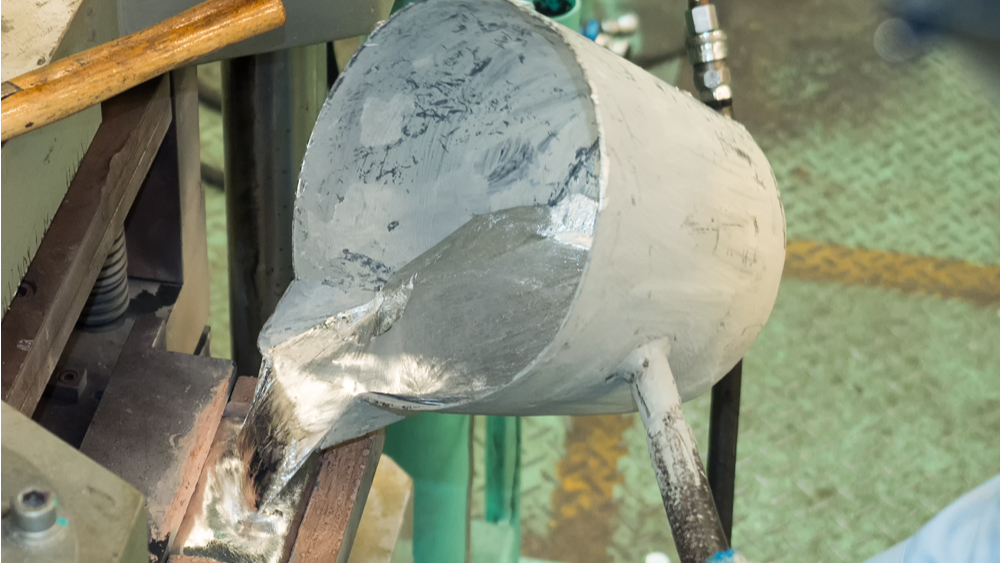
The industry's change towards aluminum mirrors a wider pattern of focusing on lasting methods and cost-effectiveness. Major airplane producers have progressively adopted aluminum alloys, which combine stamina and ductility, making them suitable for essential structural components. Additionally, the recyclability of aluminum straightens with environmental efforts, making it a favored option for contemporary aircraft. In general, aluminum's unique features and benefits strengthen its position as a cornerstone in the future of aerospace production.
Improvements in Aluminum Casting Techniques
While conventional approaches of aluminum casting have actually served the sector for decades, current developments have transformed the means aluminum components are produced. Technologies such as high-pressure die casting and 3D printing have boosted precision and lowered production times. High-pressure die casting permits thinner wall surfaces and more intricate geometries, assisting in the development of lightweight parts without jeopardizing strength. 3D printing modern technology enables rapid prototyping, enabling manufacturers to test styles more effectively and adapt to transforming requirements. Furthermore, innovations in alloy solutions have actually caused improved mechanical residential properties, allowing the production of elements that fulfill strenuous aerospace and automotive requirements. These methods not just raise performance but likewise reduce waste, supporting sustainable manufacturing techniques. As these developments remain to progress, they promise to further improve the abilities of aluminum casting, placing it as a critical gamer in contemporary manufacturing across various sectors.
Light-weight Solutions for Automotive Performance
The pursuit of lightweight options has ended up being a focal point in automobile performance, driven by the requirement for improved gas effectiveness and lowered discharges. Car manufacturers are progressively turning to aluminum as a primary product in automobile layout, taking advantage of its desirable strength-to-weight ratio. Developments in aluminum foundry procedures have allowed the manufacturing of elements that are not only lighter but likewise extra long lasting.
Advanced casting strategies allow suppliers to produce intricate forms that optimize architectural integrity while decreasing weight. In addition, the combination of aluminum in crucial locations, such as engine components and chassis, significantly influences overall car dynamics and handling.
As suppliers strive to fulfill regulatory criteria and consumer expectations, the change in the direction of lightweight products continues to obtain momentum. This fad not only improves vehicle efficiency however also placements aluminum as a crucial gamer in the advancement of the automobile sector, paving the means for a lot more dexterous and reliable vehicles.
Sustainability and Environmental Influence of Aluminum
The sustainability of aluminum manufacturing is progressively acknowledged for its significant recycling benefits and decreased carbon footprint. By making use of recycled aluminum, foundries can minimize power consumption and greenhouse gas emissions. This technique not just supports environmental objectives yet additionally boosts economic efficiency in the production procedure.

Reusing Aluminum Benefits
Numerous industries recognize the substantial benefits of reusing aluminum, specifically regarding sustainability and ecological influence. Reusing aluminum needs only 5% of the power needed to generate brand-new aluminum from raw products, significantly reducing energy usage. Aluminum Casting Company. This procedure additionally decreases greenhouse gas exhausts, contributing to a healthier atmosphere. Additionally, reusing aluminum draws away waste from land fills, promoting reliable source monitoring. The lightweight nature of aluminum boosts fuel efficiency in transport, additional showing its environmental benefits. In addition, recycled aluminum preserves its quality, making it a versatile choice for numerous applications throughout aerospace, automobile, and innovation sectors. Eventually, the recycling of aluminum not just saves sources however additionally sustains a circular economy, fostering sustainable practices within manufacturing markets
Decreasing Carbon Impact
While go to my blog industries significantly prioritize sustainability, lowering the carbon footprint connected with aluminum production has come to be an essential focus. Current developments in aluminum foundry technology goal to minimize discharges throughout the manufacturing process. Making use of eco-friendly energy resources, such as solar and wind, significantly lowers greenhouse gas emissions compared to conventional fossil fuel-based techniques. In addition, developments in reusing methods improve the performance of redeeming aluminum, more minimizing the need for key production and its associated ecological impact. Applying closed-loop systems in shops permits the reuse of products, causing reduced power intake. As makers across sectors welcome these advancements, the aluminum market is placing itself as a leader in lasting techniques, adding to global efforts to combat climate adjustment.
Developments in Aluminum Alloys and Products
Recent advancements in aluminum alloys have focused on creating light-weight products that boost efficiency without compromising strength. Advancements in alloy structures are additionally enhancing deterioration resistance, making aluminum more durable in various applications. These breakthroughs are changing the production landscape, enabling much more sustainable and efficient manufacturing approaches.
Light-weight Alloy Advancements
As industries continue to look for materials that enhance efficiency while lowering weight, technologies in light-weight aluminum reference alloys are gaining significant focus. These sophisticated alloys feature optimized structures that improve strength-to-weight proportions, enabling more efficient designs in aerospace, vehicle, and modern technology fields. Scientists are creating aluminum-lithium and aluminum-magnesium alloys, which supply improved mechanical residential properties while keeping low density. Such improvements assist in the production of components that add to energy effectiveness and reduced emissions. Additionally, the consolidation of nanomaterials and progressed processing techniques is additional pushing the limits of what lightweight aluminum alloys can achieve. On the whole, these developments represent a necessary step towards meeting the needs for lasting manufacturing practices without endangering efficiency.
Improved Rust Resistance
Ingenious approaches to boosting rust resistance in aluminum alloys are transforming their applicability across numerous sectors. Recent innovations entail the advancement of brand-new alloy compositions and surface area treatments that greatly improve durability against ecological aspects. The consolidation of components such as magnesium and lithium has actually yielded alloys that display premium resistance to both pitting and stress and anxiety rust breaking. Furthermore, finishings and plating processes are being improved to supply an extra layer of defense, ensuring longevity in rough conditions. This concentrate on corrosion resistance not just boosts the efficiency of aluminum components however likewise lowers maintenance prices, making them much more attractive for sectors such as aerospace, vehicle, and technology. These innovations assure to widen the extent of aluminum applications sought after atmospheres.
Situation Studies: Success Stories in Technology Manufacturing

One more study includes a startup concentrating on drone modern technology. By making use of aluminum pass away casting techniques, the company accomplished rapid manufacturing cycles and reduced waste, substantially decreasing their functional prices. This advancement enabled them to complete properly in a hectic market.
Furthermore, a major computer maker executed aluminum extrusions for heat sinks, optimizing cooling efficiency while minimizing weight. These success stories illustrate exactly how aluminum foundry technologies are driving effectiveness, sustainability, and competitiveness in the technology sector, paving the means for more innovations in making procedures.
The Future of Aluminum Foundry Technologies
The innovations in aluminum foundry modern technologies are positioned to form the future of manufacturing across different industries. Developments such as automated casting procedures, advanced alloy structures, and improved reusing methods are blazing a trail. These technologies offer enhanced effectiveness, decreased waste, and superior product top quality, dealing with the growing demand for sustainable manufacturing practices.
Emerging techniques, such as 3D printing and synthetic knowledge, are also being integrated into foundry procedures, maximizing style and production process. Making use of predictive analytics allows producers to anticipate upkeep demands, lessening downtime and linked costs.
As markets significantly focus on light-weight products for improved performance and power performance, aluminum continues to be a principal. The harmony in between innovative modern technologies and traditional methods will likely drive the development of aluminum shops, placing them as vital factors to the aerospace, auto, and technology industries in the years to come.
Regularly Asked Inquiries
What Are the Prices Connected With Aluminum Foundry Innovations?
The costs connected with aluminum their explanation foundry innovations consist of first investment in advanced modern technologies, continuous maintenance expenses, workforce training, and potential rises in raw product rates, influencing overall production budget plans and success in different manufacturing fields.
How Does Aluminum Contrast to Other Metals in Production?
Aluminum provides benefits like lightweight residential or commercial properties, corrosion resistance, and exceptional machinability contrasted to other steels, such as steel or titanium. These features make it progressively preferred in various making sectors, improving performance and efficiency in manufacturing processes.
What Industries Are Adopting Aluminum Foundry Technologies?
The aerospace, auto, and technology markets are significantly adopting aluminum foundry technologies, driven by the material's light-weight residential or commercial properties, rust resistance, and cost-effectiveness, enabling improved performance and effectiveness in making procedures throughout these sectors.
Are There Specific Accreditations for Aluminum Used in Aerospace?
Yes, there are details accreditations for aluminum used in aerospace, consisting of AS9100 and AMS specifications. These criteria ensure reliability, high quality, and safety, vital for aerospace applications, and are extensively recognized within the sector.
Exactly How Is Aluminum Recycling Contributing to Production Advancements?
Aluminum recycling significantly enhances manufacturing developments by lowering energy consumption, reducing expenses, and minimizing ecological impact. This sustainable practice cultivates advancement in products and processes, ensuring a circular economy advantageous for various sectors, including aerospace and auto.
As the aerospace industry looks for to boost efficiency and fuel effectiveness, aluminum has actually emerged as an essential product in airplane manufacturing. While traditional approaches of aluminum casting have actually offered the industry for decades, current developments have changed the way aluminum parts are created. Recycling aluminum needs only 5% of the energy needed to produce new aluminum from raw materials, greatly decreasing power intake. As sectors continue to seek products that improve efficiency while reducing weight, innovations in lightweight aluminum alloys are obtaining substantial interest. Aluminum recycling considerably boosts production developments by decreasing energy usage, decreasing expenses, and minimizing ecological effect.
Comments on “Exploring the advantages of Precision aluminum casting on vehicle performance”